Field note · 19 October 2025 · Malee Suthida
When the downstairs room pays part of the rice
A rented ground-floor room is common in this province. It is income only for the months a tenant is actually there.
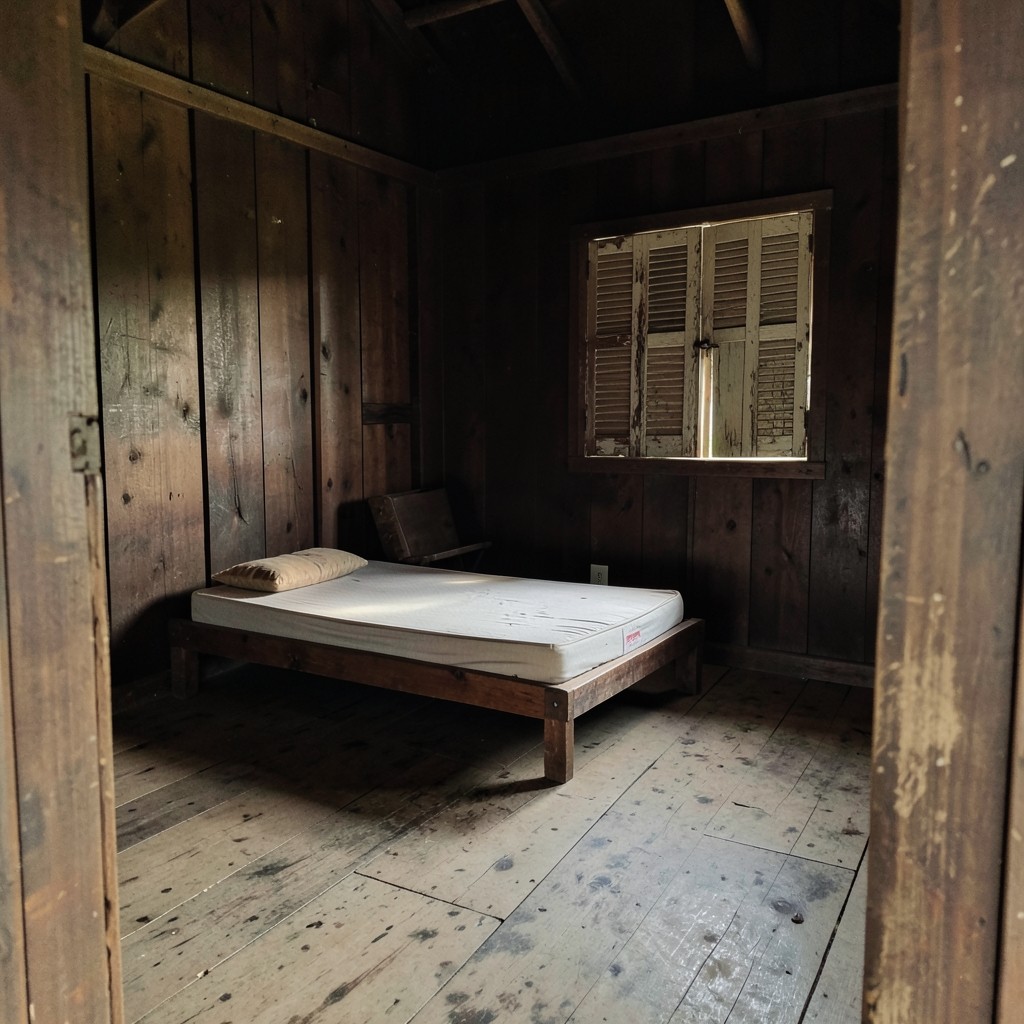
Many houses we visit in Amphoe Mueang Narathiwat keep a room downstairs that has, at some point, been rented to a teacher, a young couple, or a worker on a short contract. The owner often adds that rent to the pension in their head as if both were paid by the state. They are not the same kind of promise.
Rent is income when it has arrived. An empty month is an empty month. In a later-life arrangement we write the rent actually received over the past year, not the figure the household hopes to ask next Songkran. If the room was vacant for three months, those months stay visible.
Do not spend the room twice
A room cannot be the child’s future bedroom and the household’s rice money in the same year. Families often plan both without noticing. The readiness note asks which plan wins for the next three years. The other plan can wait on a later page.
We do not find tenants, set a lease, or repair a roof as part of the engagement. If the rent depends on a repair the household has been postponing, the income line is marked as conditional. A pension does not need a new roof in order to arrive. The room might.
Cash, gold, and the room
Gold kept at home is not monthly income either. It is a store the household can sell. Putting gold, rent, and pension in one monthly total makes the month look safer than the rice pot is. On the order-of-payment page, only the pension and the rent that is in hand are allowed to pay for an ordinary Tuesday.